

Justice in Institutions for Black Women, Girls, and Femmes
A 5-Year Special Initiative combatting structural violence to Build Safer and More Accountable Systems
Background
In partnership with directly impacted community members and cross-sector institutional stakeholders, Research in Action (RIA) released the first comprehensive state-level report on the crisis of missing and murdered Black women and girls in 2022.
That groundbreaking report helped catalyze the creation of the nation’s first Office of Missing and Murdered Black Women and Girls (MMBWG) in Minnesota and inspired federal legislation introduced in 2023.
But the work to create a Minnesota where all Black women, girls and femmes feel safe is far from over.
About the Initiative
With funding from the Bush Foundation, the Equity in Action Way Foundation has contracted with Research in Action to lead an initiative to develop a first-of-its-kind assessment tool to better understand how structural and systemic violence impacts Black women girls, and femmes—and how public systems can be held accountable.
Through our Equity in Action model, the initiative will center the leadership and lived experiences of Black women, girls, and femmes to co-create a tool that will:
Examine how Black women, girls and femmes perceive their susceptibility to violence
Measure their confidence in state-funded programs to offer protection and support
Assess the capacity of key state agencies to provide responsive, effective services
In just five years, this ground-breaking work will create a transformative, replicable and scalable framework for assessing safety, vulnerability, and institutional accountability for Black women, girls and femmes in Minnesota—and potentially nationwide.
2025 Statewide Survey
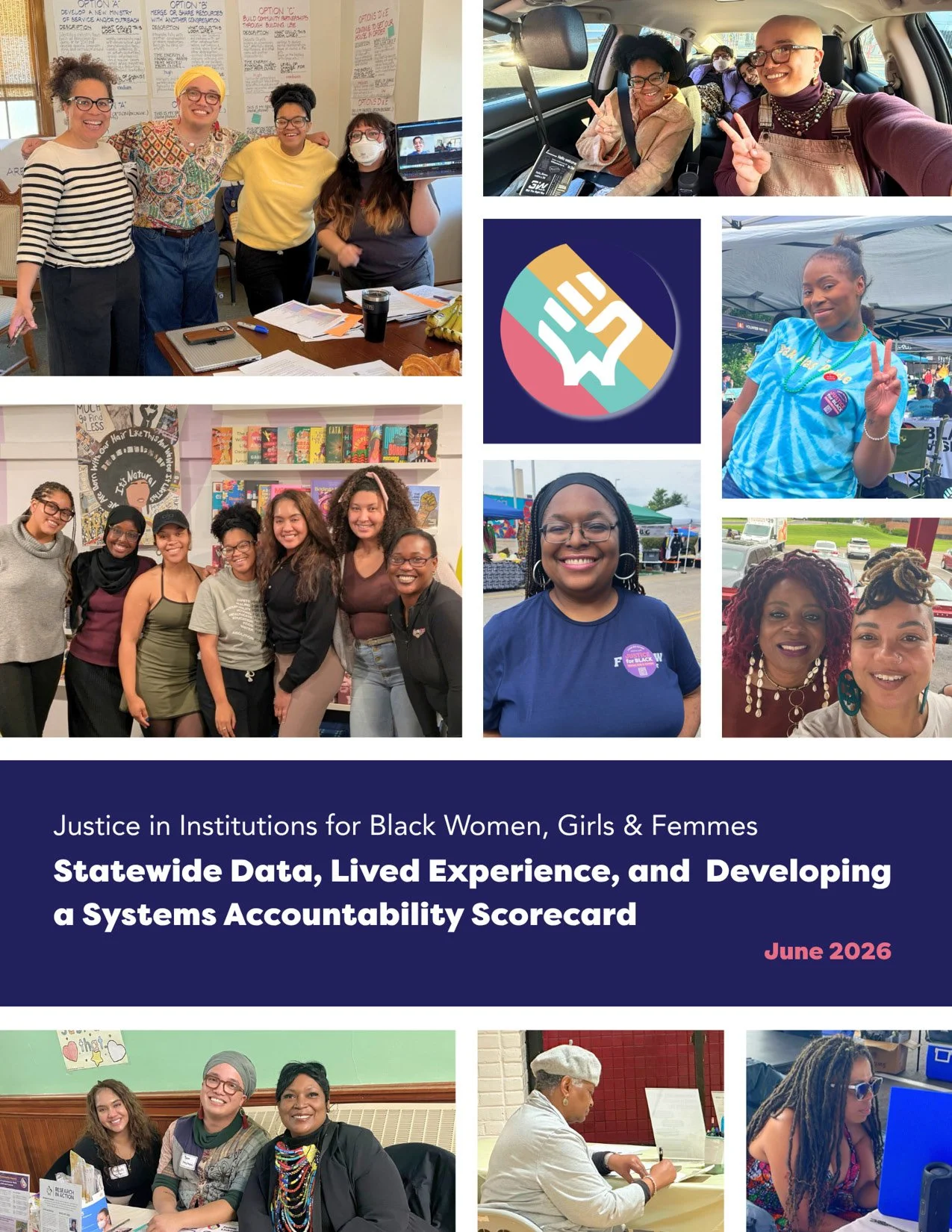
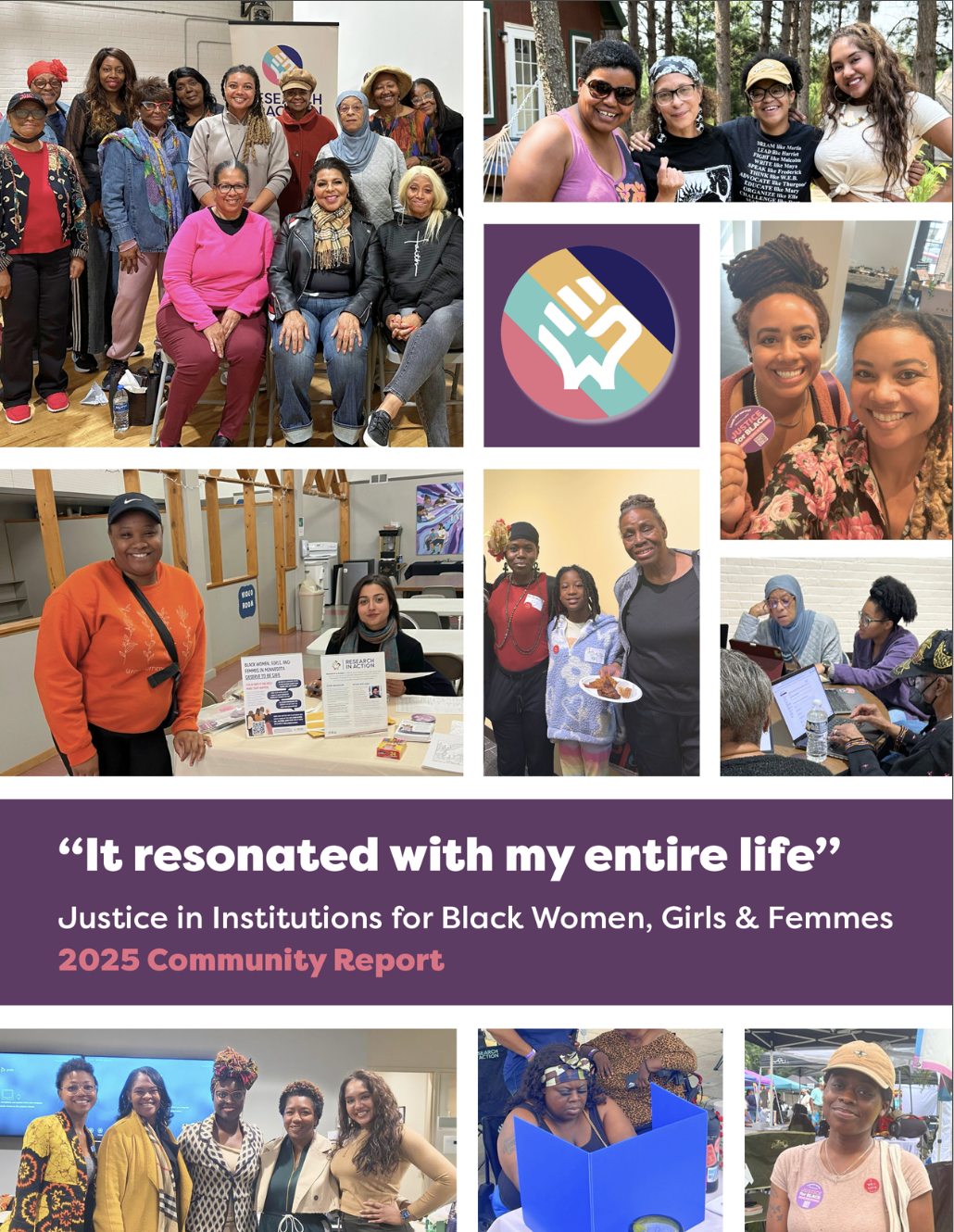
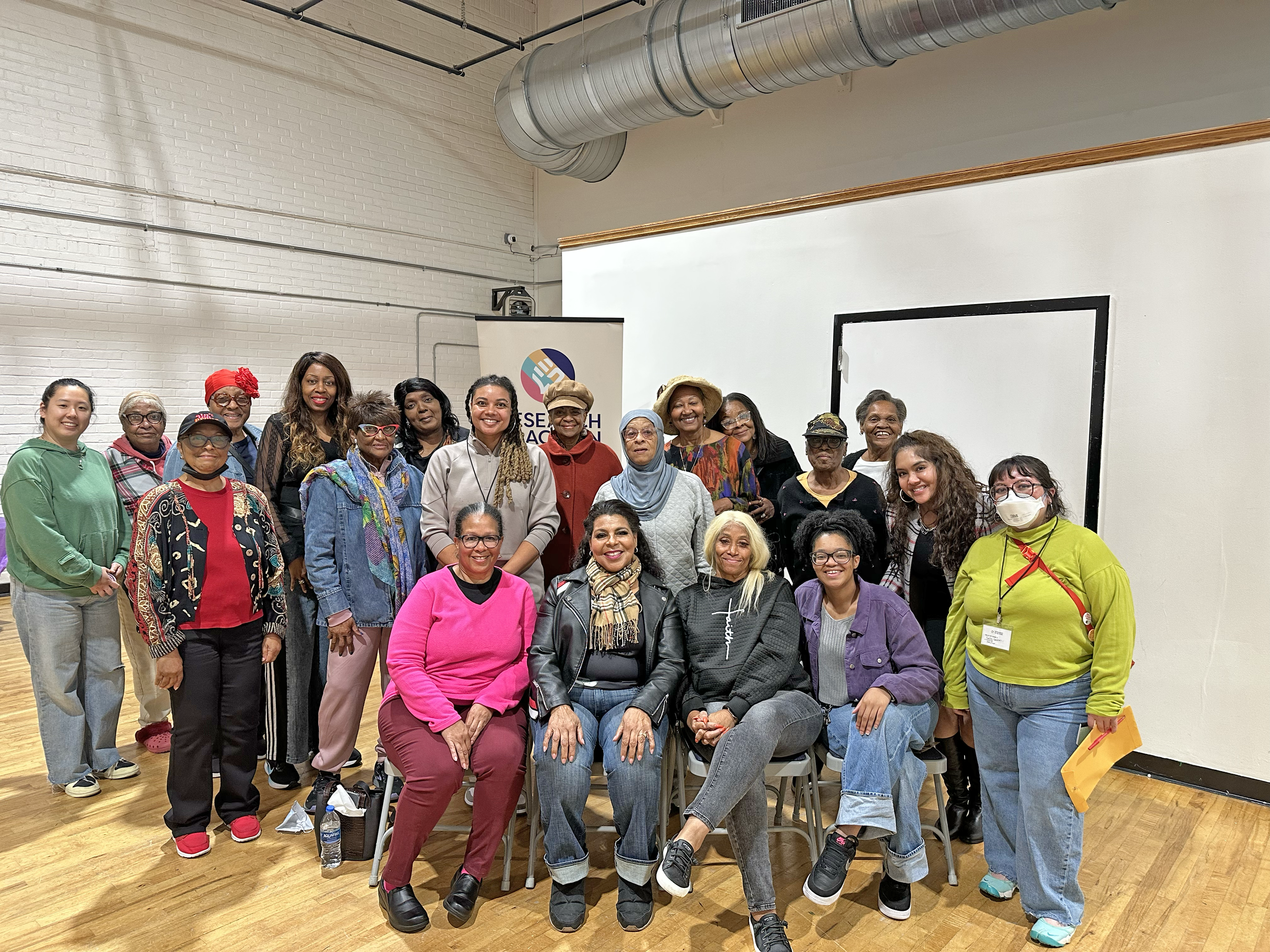
Thanks to widespread community support and participation, we collected 767 responses to the Justice in Institutions for Black Women, Girls, and Femmes statewide survey, which asked Black women, girls and femmes about their experiences with and expectations of state agencies, emergency services, and community organizations that serve people impacted by violence. In 2026, we conducted additional focus groups and individual interviews to ensure our findings were representative and robust.
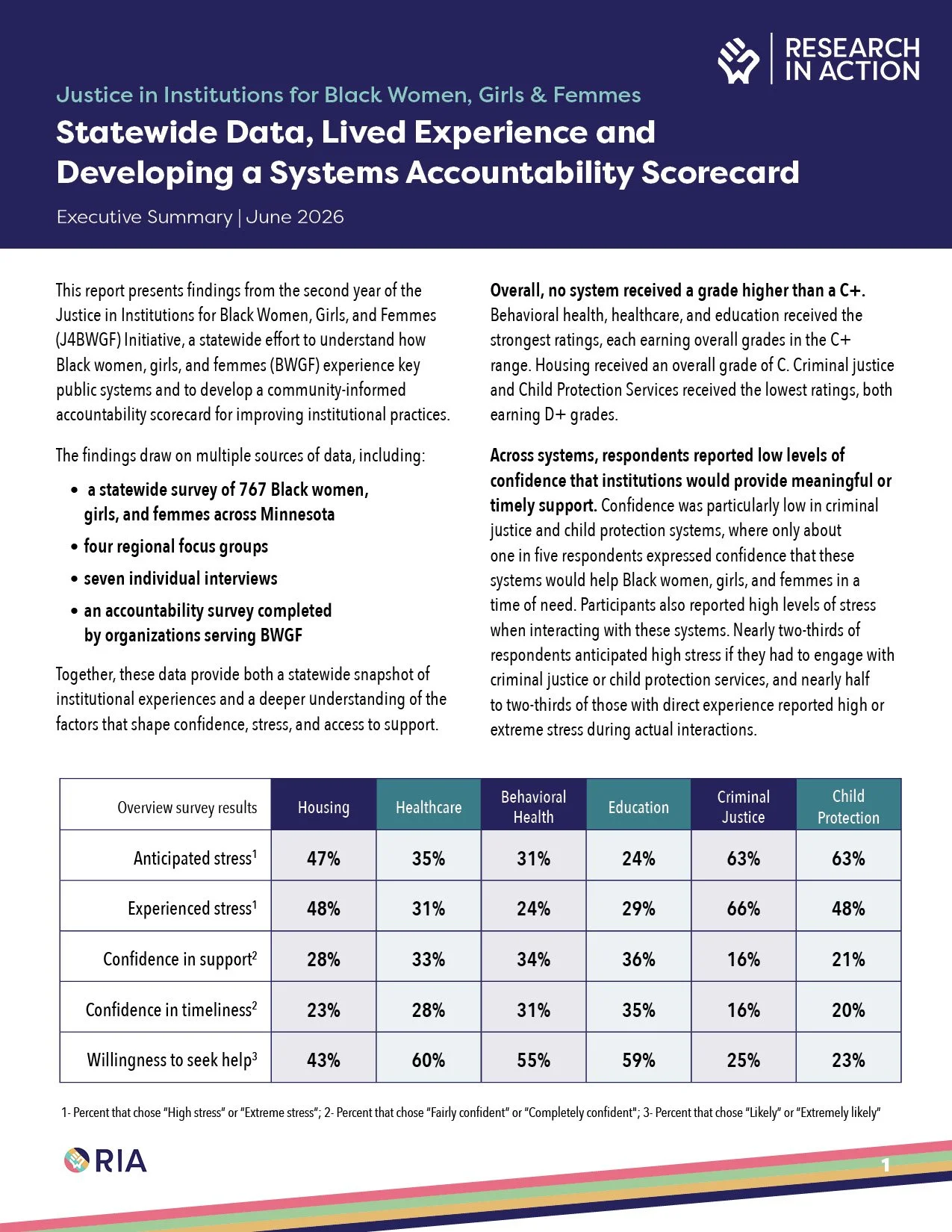
In June 2026, we released the findings from the survey—and the results clearly quantify what Black women, girls, and femmes have been saying for generations: the systems designed to uplift the wellbeing and safety of all Minnesotans are not serving us. In fact, none of the six systems evaluated received a higher grade than C+, and criminal justice and child protection both received a D+.
Read more in our press release and download the full report.
And dive into the data by system and region in the dashboard below!
(Currently, this dashboard is currently only available for desktop use; we’re working on a mobile-friendly version!)
Timeline
This special initiative will build and refine a community-driven tool designed to assess how effectively counties and institutions serve Black women, girls and femmes—and identify where improvements are urgently needed.
-
Launch a statewide survey of 600+ Black women, girls, and femmes (aged 14 years and older)
-
Form a statewide action council of Black women, girls and femmes to co-design the tool
-
Pilot the tool in select counties
-
Review and refine with feedback from partners and community leaders
-
Share findings and deploy the tool statewide
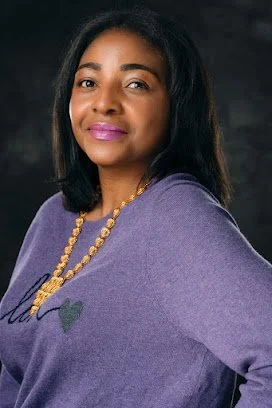
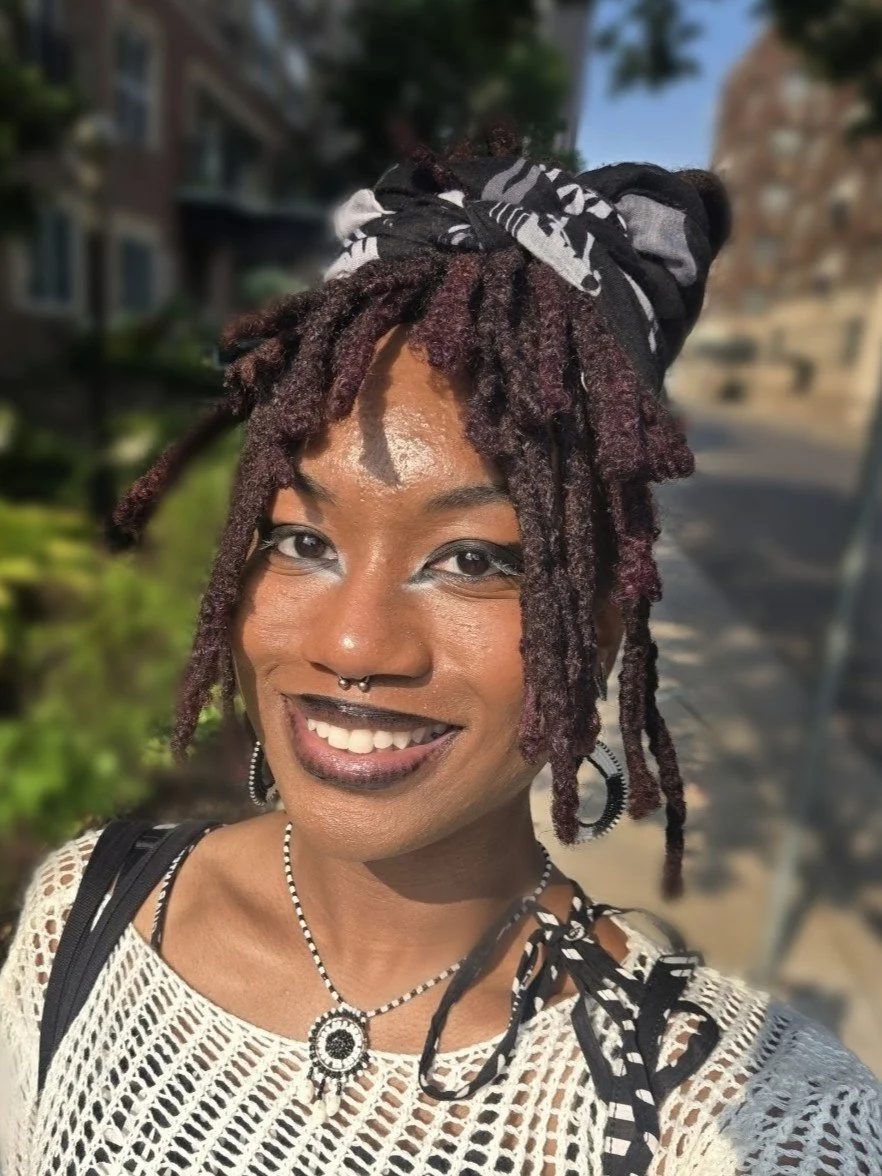
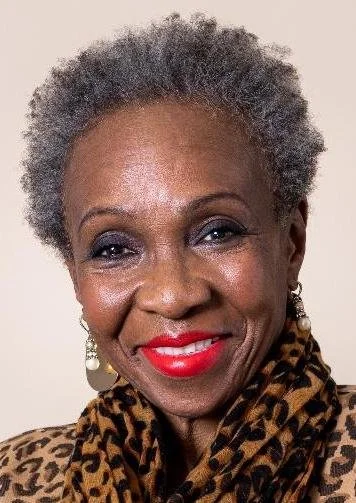
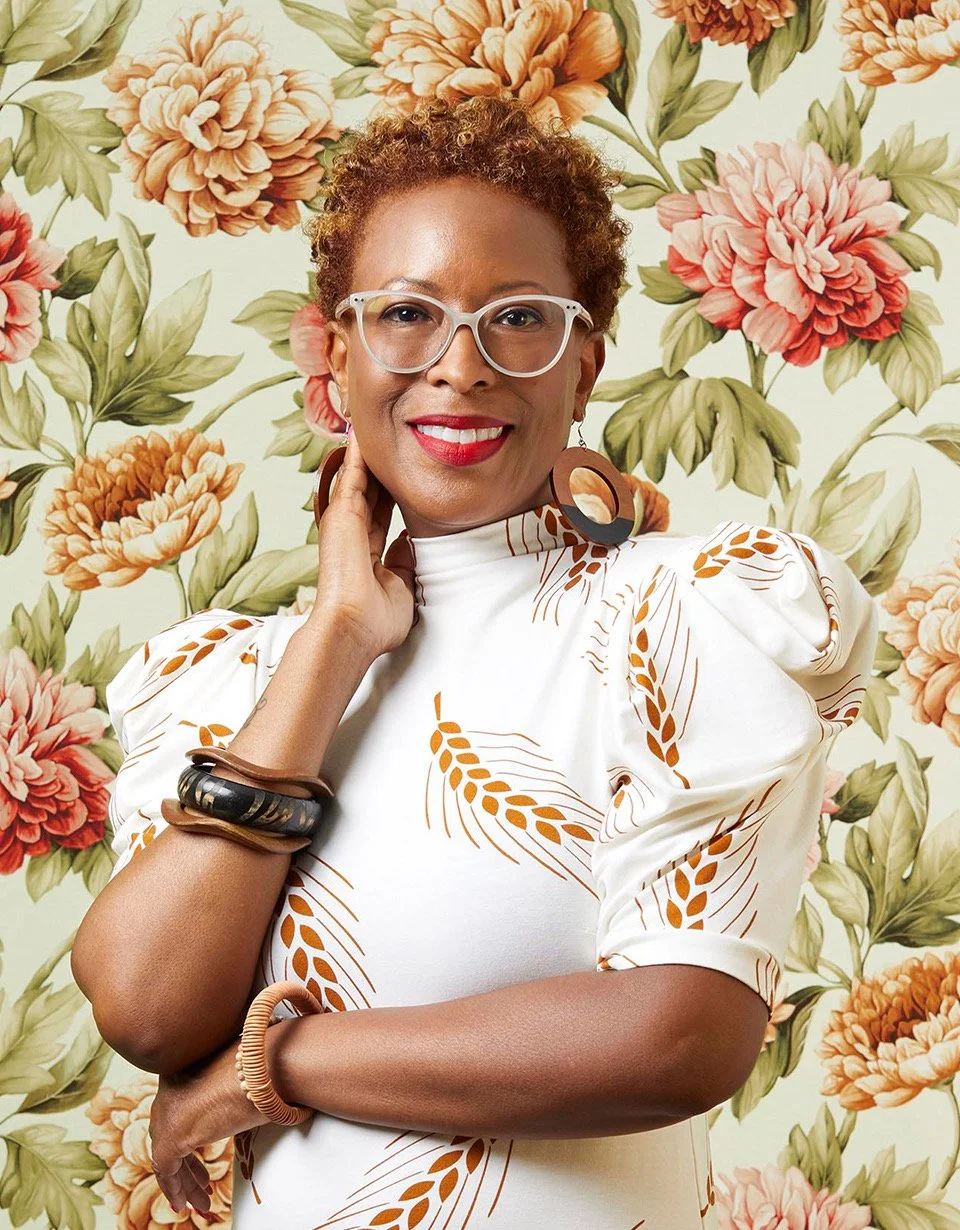
Community Action Council
-
![]()
Jo Cross
-
![]()
Jamma Jiggo
-
![]()
Alexis Kramer
-
![]()
Kay Johnson
-
![]()
Ashanté Gills
-
![]()
Heather Gaston
-
![]()
Madeline Hodapp
-
![]()
Deyona Kirk
-
![]()
Evett Ellis
-
![]()
LaQuita Limo
-
![]()
Comfort Dondo
-
![]()
Zetovi Dillard
-
![]()
Ms. Elder Jewlean Jackson
-
![]()
Leondra Mitchell
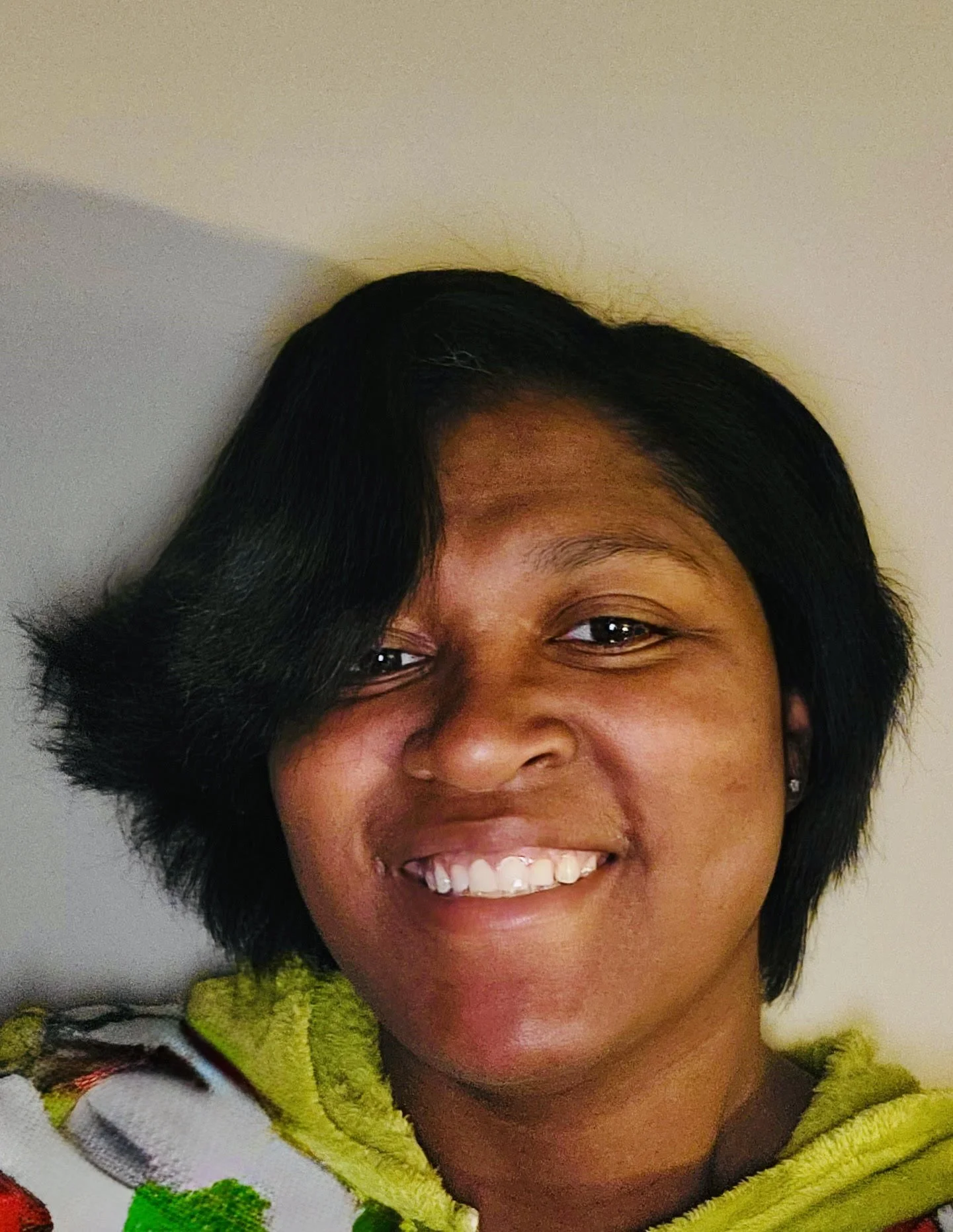
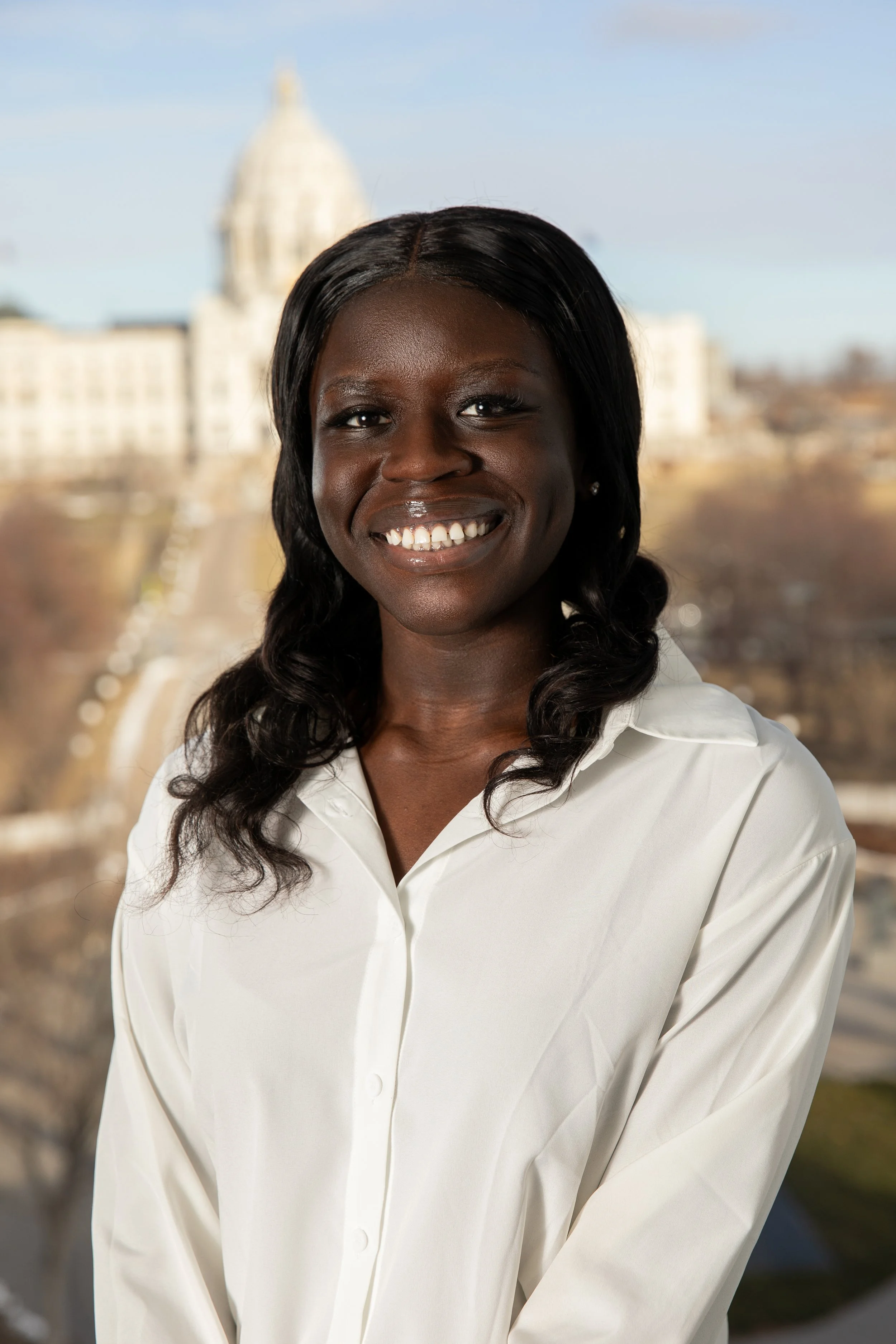


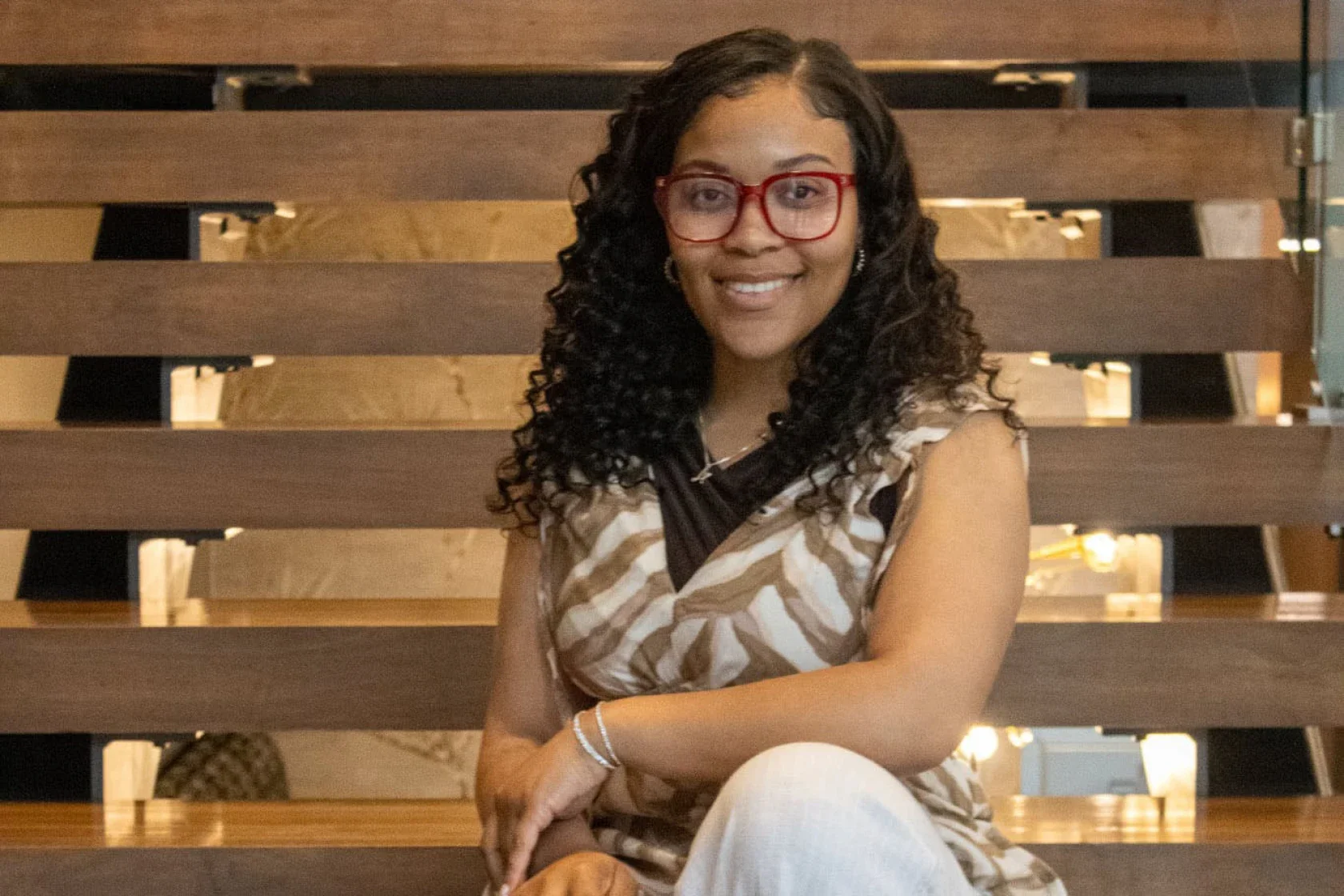
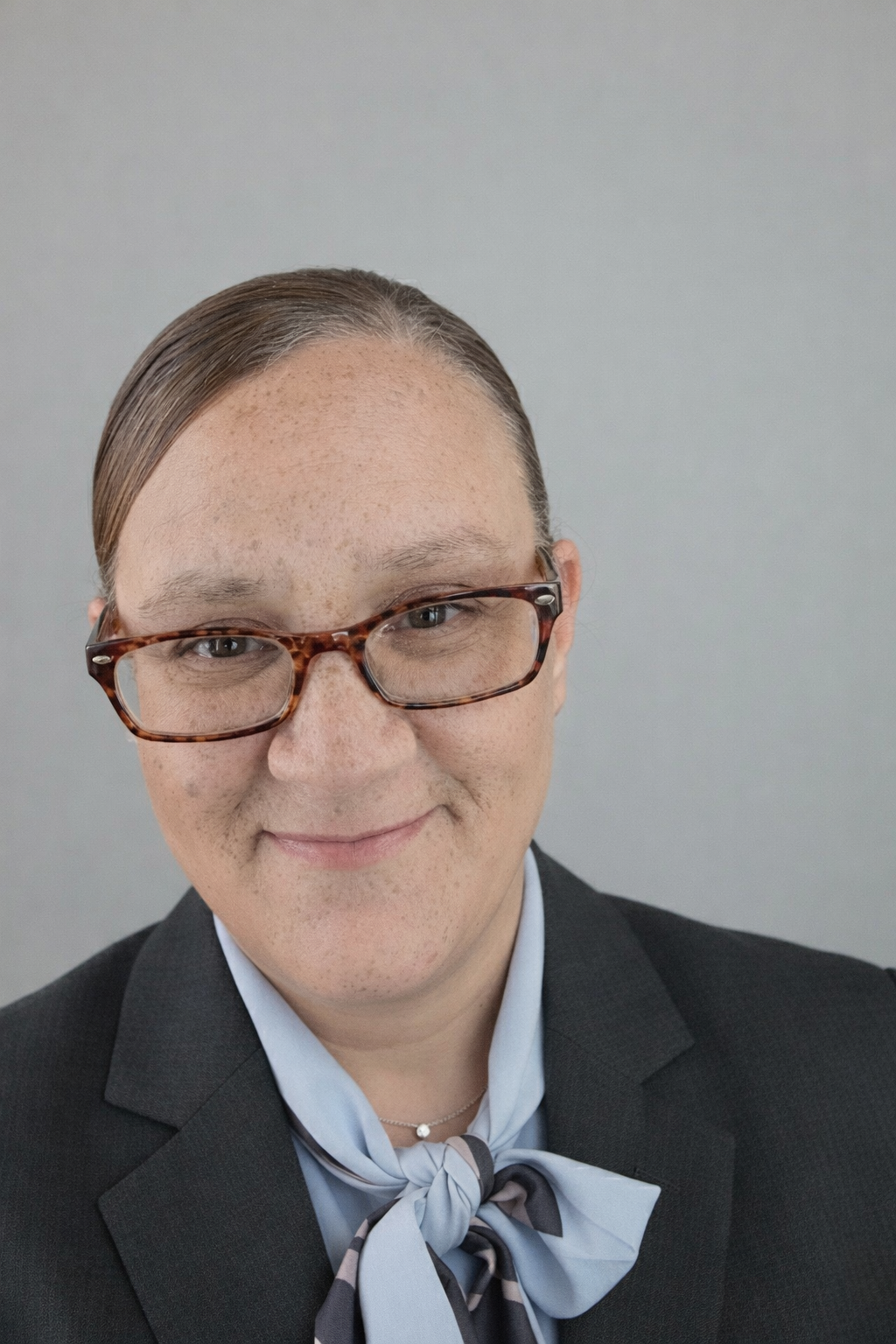
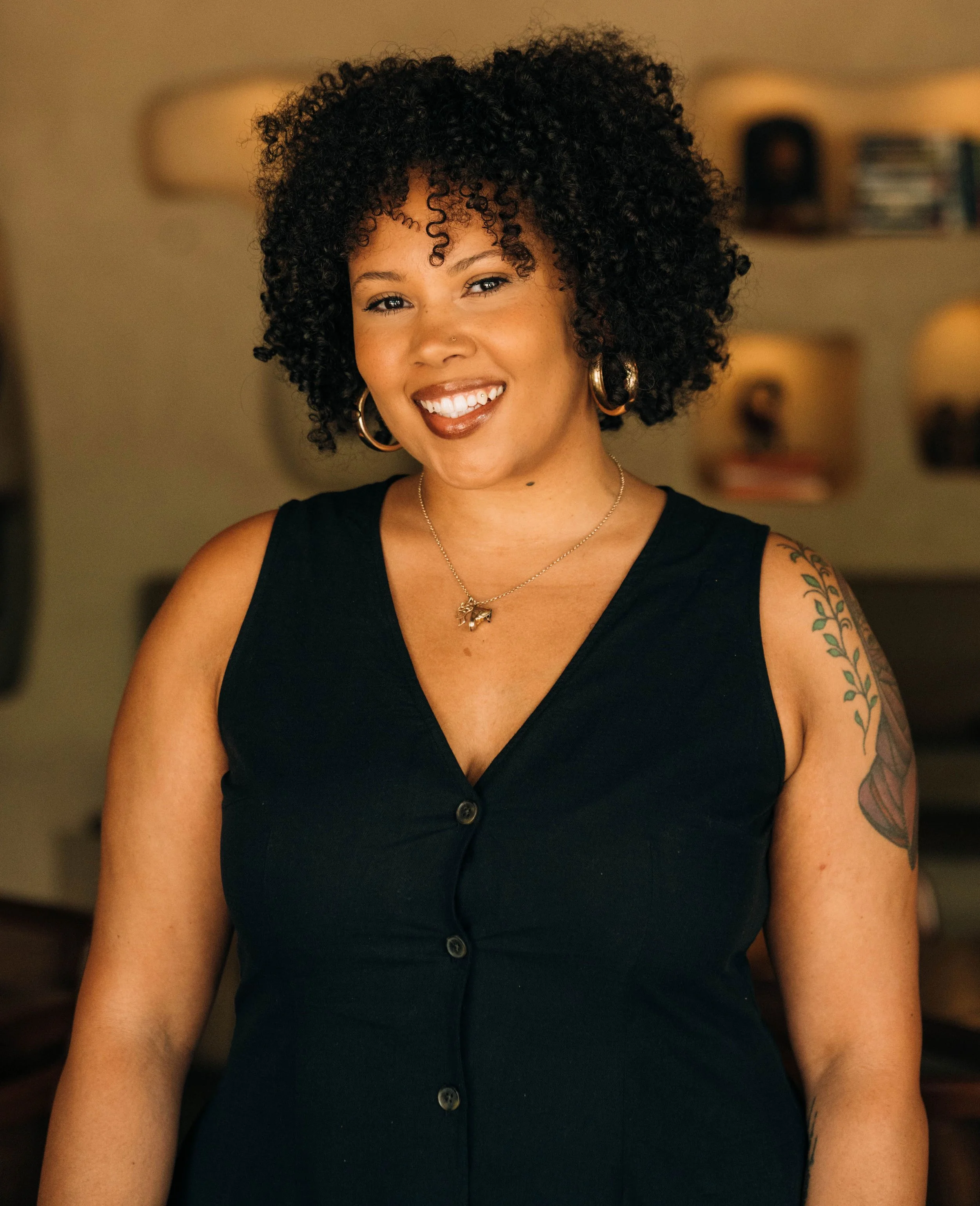
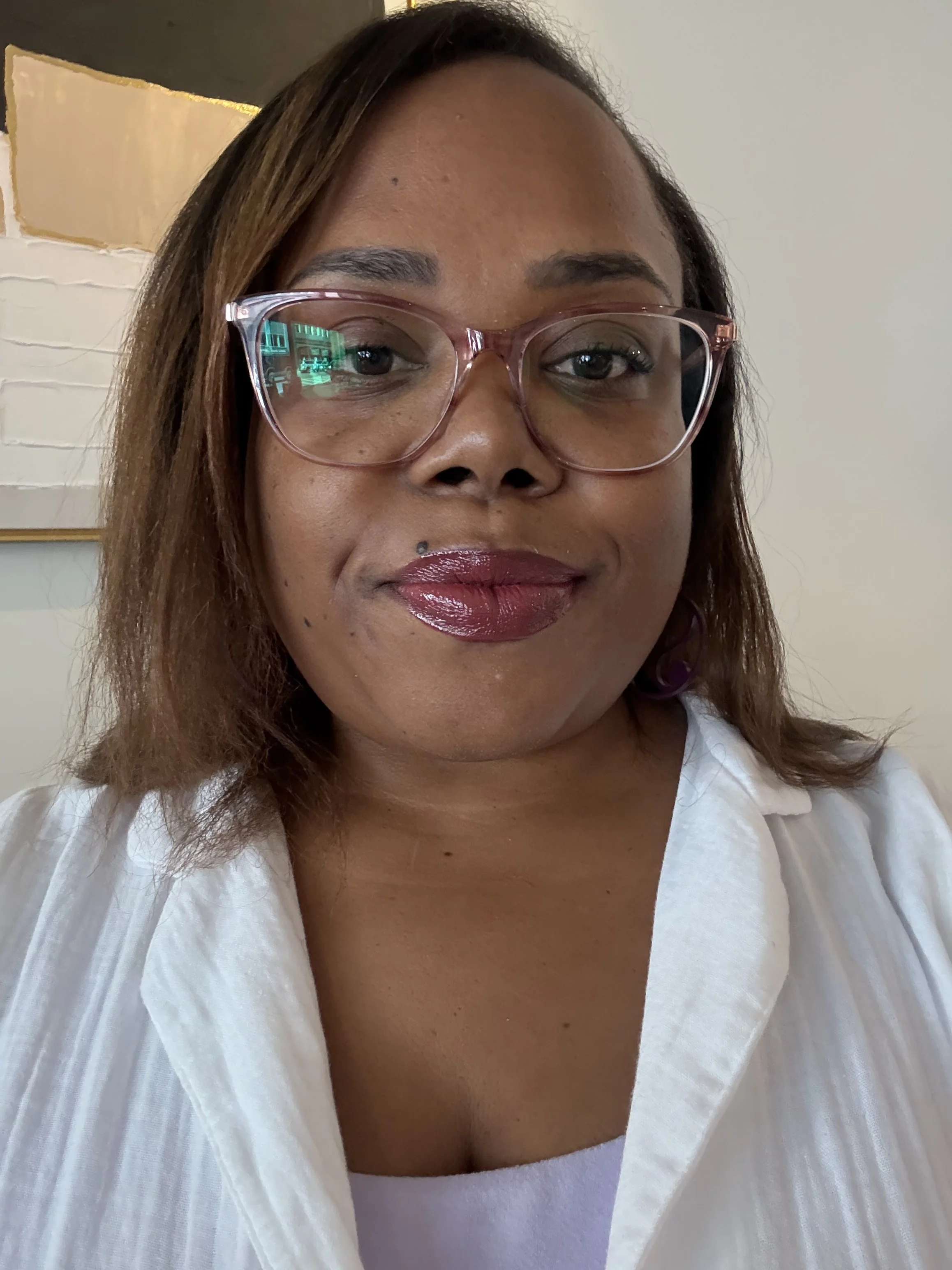
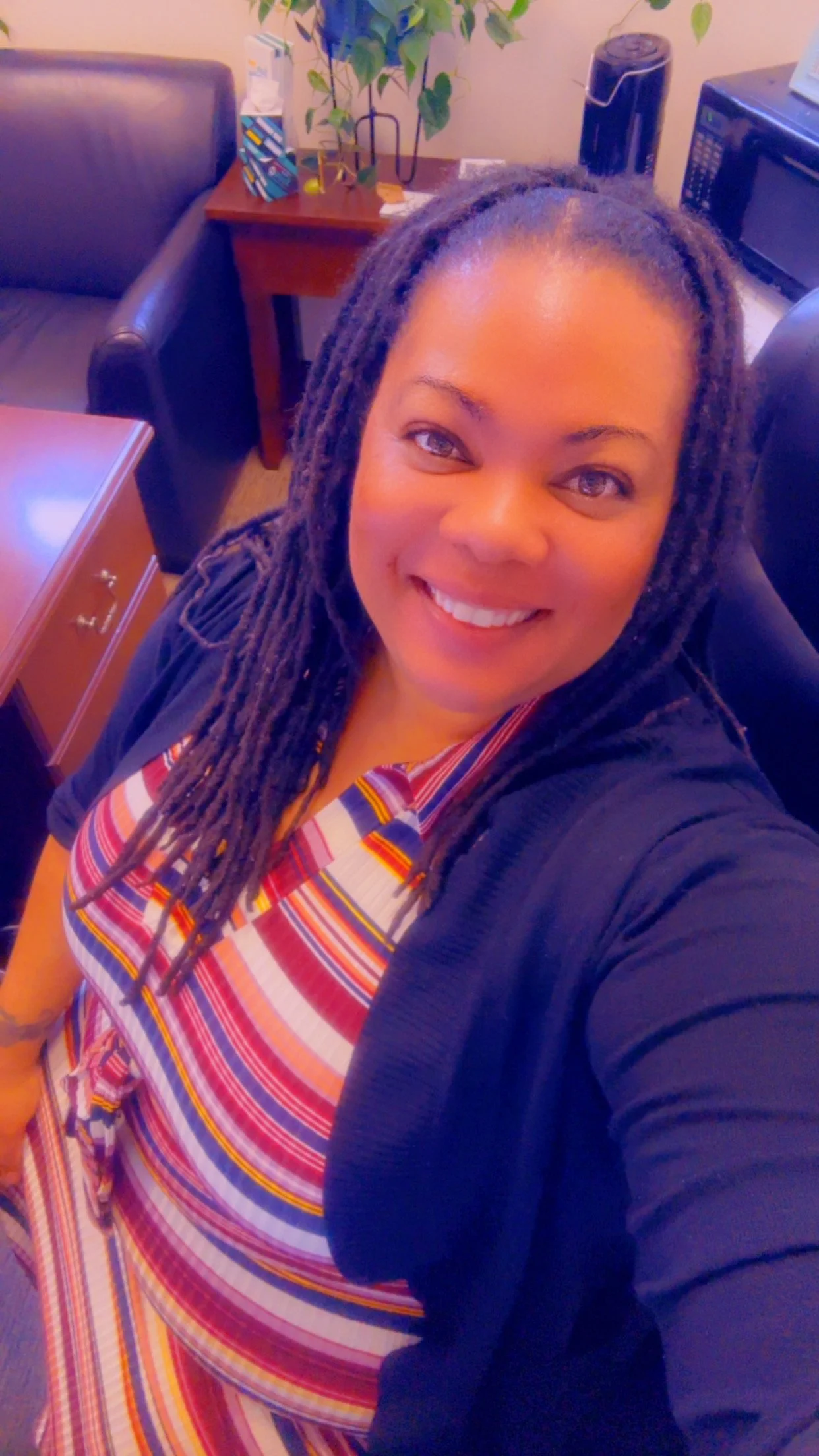
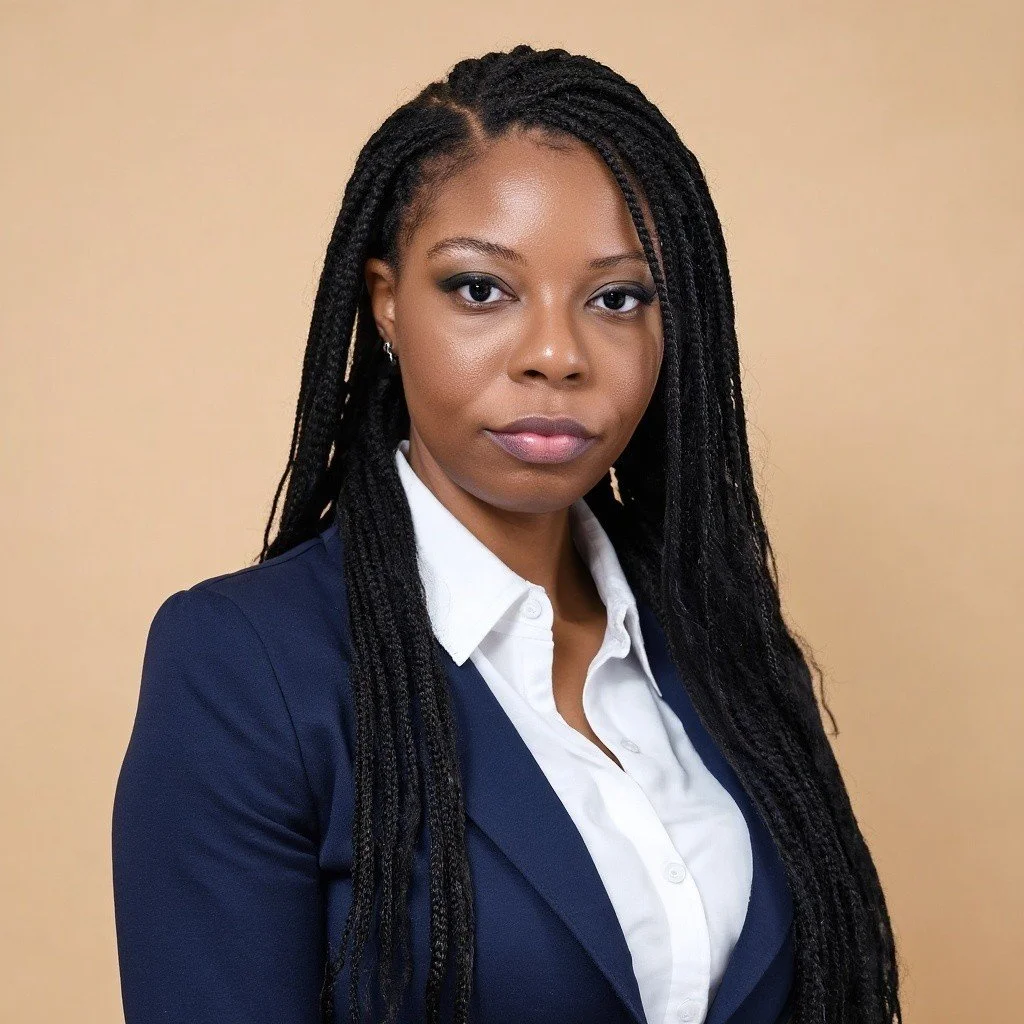
National Action Council
-
![]()
Kaleena Burkes
Director of the Minnesota Missing and Murdered Black Women and Girls (MMBWG) Office
-
![]()
Thalia Gonzalez
Professor of Law, University of California-San Francisco
-
![]()
Dr. Tiara Willie
Associate Professor, Johns Hopkins, Bloomberg School of Public Health
-
![]()
Dr. Lauren Martin
Associate Professor, School of Nursing, University of Minnesota; Affiliate Faculty, Urban Research Outreach-Engagement Center
-
![]()
Dr. Catherine Squires
Former Associate Dean of the Humphrey School of Public Affairs and Professor of Communication Studies, University of Minnesota
-
![]()
Symmieona Williams
Minnesota Missing and Murdered Black Women and Girls Task Force
-
![]()
Tiffany Roberson
Minnesota Missing and Murdered Black Women and Girls Task Force
-
![]()
Dominique Buffet
Minnesota Missing and Murdered Black Women and Girls Task Force
-
![]()
Madeline Hodapp
Minnesota Missing and Murdered Black Women and Girls Task Force
-
![]()
Savannah Nicole
Minnesota Missing and Murdered Black Women and Girls Task Force




Project Partners

-
Tameka Davidson, Community Impact Manager, Women's Foundation of Minnesota (WFM)
CeMarr Peterson, Senior Program Manager, Black Collective Foundation
Pearl Evans, Community Prevention Lead | Injury and Mental Health Prevention, Minnesota Department of Health
-
Hodan Omar, Founder and Executive Director, Hooyo Hour Organization
-
Victoria McWane-Creek, Founder, Organization 4 Full Participation (O4FP)
Dr. Jennifer L. Aranda, Assistant Professor - Extension Educator, Leadership & Civic Engagement, University of MN - Moorhead
-
Kameron Peak, Overdose Prevention Coordinator, Harm Reduction Sisters
Deyona Kirk, Founder & Executive Director, Divine Konnections
-
ReAnna Roby, Director of the Women's Center, University of MN - Twin Cities
Shereese Turner, Chief Program Officer, Twin Cities Habitat for Humanity
Jasmine Carey, Founder and CEO, AGAPE - Social Impact Solutions LLC
Artika Roller, Executive Director, Cornerstone
Marlee James, CEO and Founder, Reviving Roots
Savannah Nelson, Community Leader
Lydia Millard, Executive Director/City Council Candidate, Stevens Square Community Organization/Ward 10
Annette Bryant, Founder and President, Butterfly Lotus Healing Sanctuary LLC
Vanessa Allmon, Founder and CEO, The Vanessa Allmon Project (The VAP LLC)
Tescia Dayne, Community Leader
Latricia Tate, CEO and Co-Founder, Twin Cities Recovery Project
Ms. Elder Jewelean Jackson, Community Elder and Leader
Sarah Busch, Community Engagement & Outreach Manager, Missions Inc. Programs
La'Taijah Powell, Youth Training & Opportunities Program Manager, Appetite for Change
Ebony Aya, Founder and Author, Aya Collective MN
-
NDea Young, Program Coordinator, Engage Winona
Hannah Hassler, Director of Advocacy, CADA - Committee Against Domestic Abuse
-
Pernell Meier, Lead Coordinator, Community Food Response
Kathy Sublett, Founder and CEO, Let’s Erase The Stigma